Choosing a course
What a good massage course includes
Massage training ranges from a serious, career-building education to a weekend certificate that leaves you unable to give a confident treatment. The difference isn’t the price or the marketing — it’s what’s actually inside. Here’s what a good course must include, and the questions that separate the real ones from the rest.
Why the checklist matters
In many places massage training is unregulated — anyone can call a weekend a “diploma.” That freedom cuts both ways: a great course and a hollow one can look identical in an advert. The only reliable signal is what the course actually teaches.
Use the seven points below as a filter. If a course can’t show you all of them clearly, that’s your answer.
1. A real anatomy and physiology foundation
You can’t safely treat a body you don’t understand. A good course teaches the muscles and tissues, how the body responds to pressure, and — critically — the contraindications that tell you when not to treat. Choreographed strokes without this are a liability.
2. A complete, classic full-body technique
Not a handful of moves — a full treatment you can deliver end to end: the strokes, the sequence, the pressure and rhythm, and the body mechanics that protect your own hands and back over years of work.
3. Supervised hands-on practice
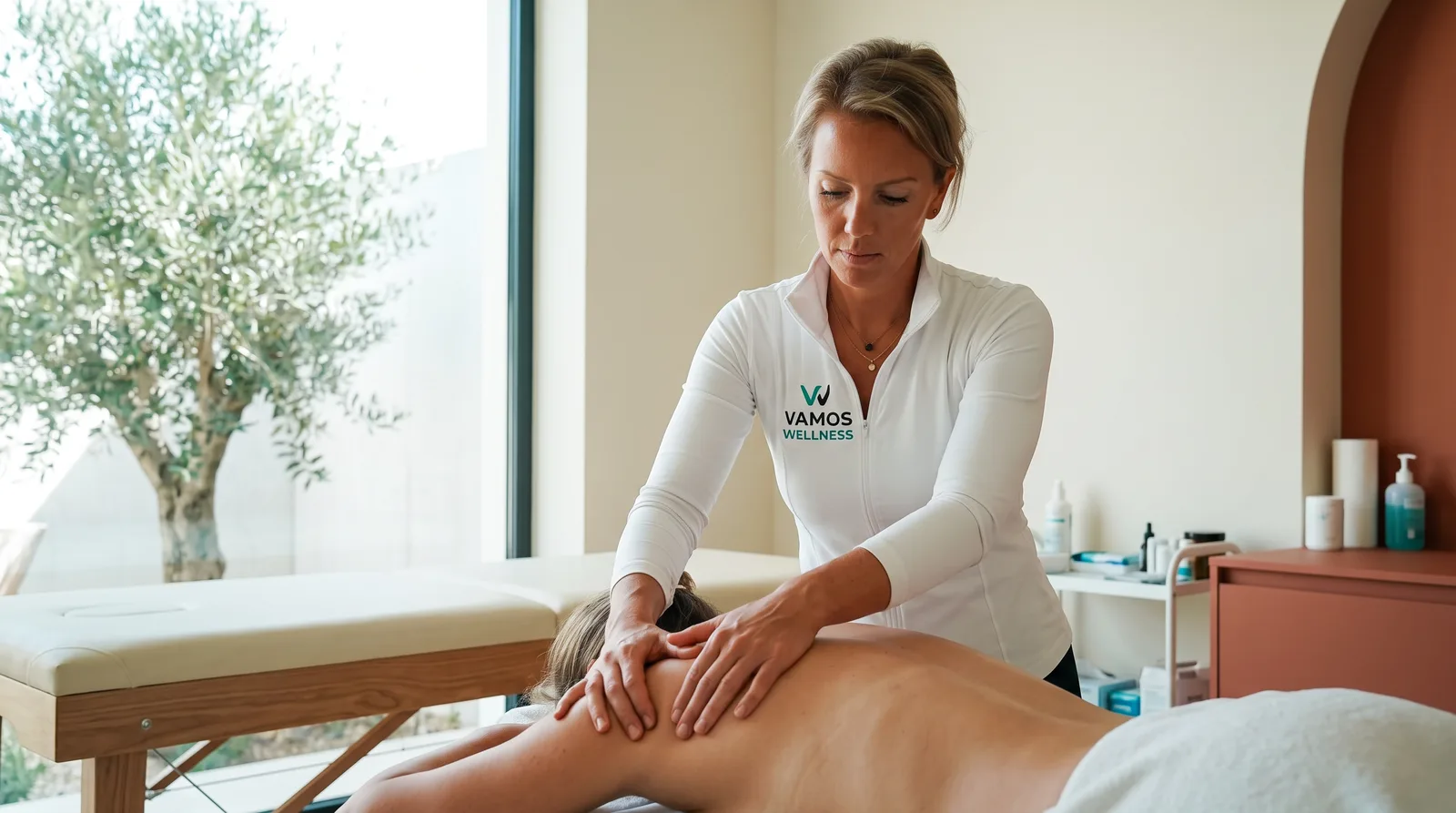
This is the line between a certificate and a skill. You need real bodies and real feedback from someone qualified watching your hands. Courses that are all video and no supervision are the ones that graduate people who can’t actually work.
4. Hygiene, safety, consent and ethics
Treated as core, not a footnote. How you set up, drape, gain consent, and keep clients safe is what makes you a professional rather than an amateur with oil.
5. A real assessment
A certificate should mean you were tested — theory and a practical you had to pass — not that you simply showed up. The assessment is what makes the paper worth anything to a client or an employer.
6. Something to show for it
A documented portfolio of treatments you’ve actually given, ideally reviewed by someone qualified before you charge your first client. It’s proof, and it’s what turns a course into a working start.
7. Honest claims
Be wary of any course promising instant “accreditation,” guaranteed income, or a full career in a weekend. A serious school tells you plainly what its certificate is and isn’t. If the claims feel too clean, they usually are.
How Vamos Massage measures up
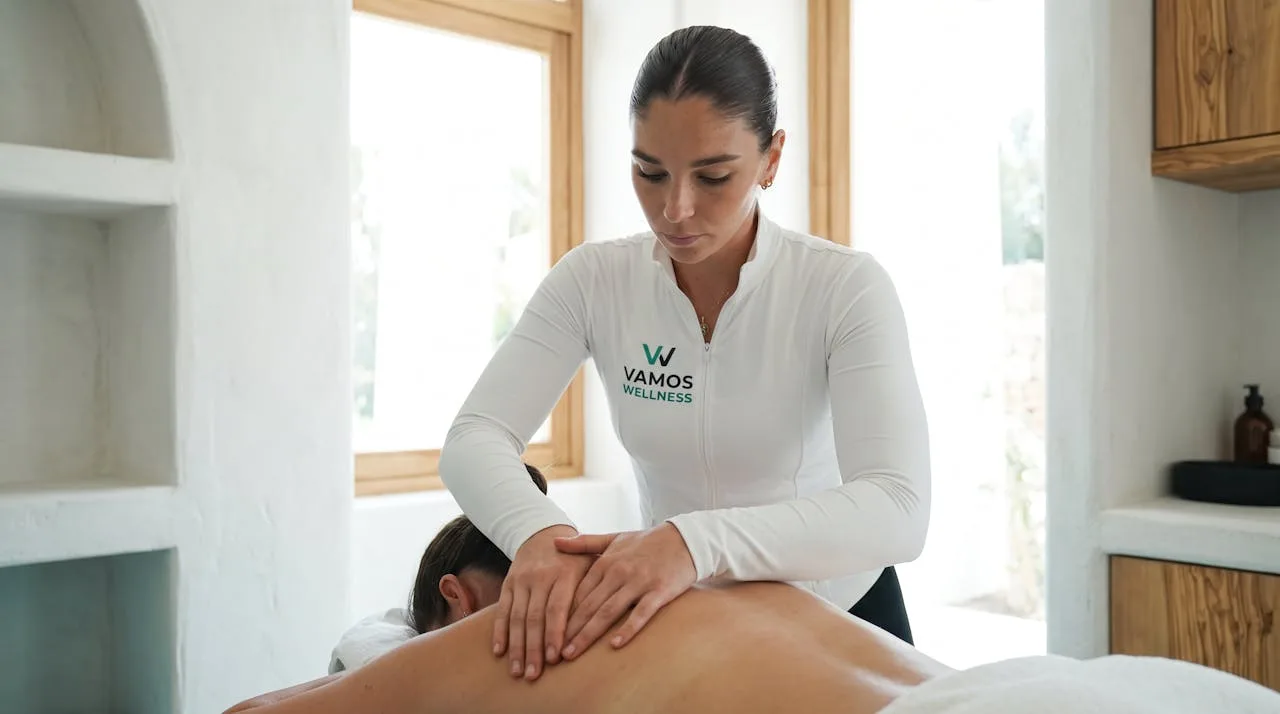
Our Intensive Massage Course is built around exactly this list: about 24 hours of guided theory (anatomy, safety, technique) before you arrive; three on-site days of hands-on practice and supervision on the Costa Blanca (29–31 October 2026); a short exam; and a post-course portfolio of ten documented massages and a short film, reviewed before your Vamos Wellness diploma is issued.
We’re honest about that last point too: the diploma is our own certificate, not an external accreditation — independent accreditation is a goal we’re working toward. Ten seats in the first cohort; founding price €799 instead of the regular €1,499.
Common questions
How long should a good massage course be?
Long enough to cover theory, a full technique, and genuine supervised practice — and to test you at the end. That can be an intensive month like ours (guided theory from home, three on-site days, then a portfolio) or a longer part-time format. Be suspicious of anything that promises a career in a single weekend.
Does the certificate need to be accredited?
External accreditation can help in some markets, but for your first clients what matters most is demonstrable skill — a full technique you can perform and a portfolio that proves it. Vamos issues its own diploma documenting your theory, supervised practice and portfolio; independent accreditation is a goal we are working toward.
Do I need prior experience?
For a well-structured course, no. Ours is built for committed beginners: the guided self-study lays your anatomy and safety foundations before the hands-on days.
How much should it cost?
Enough to pay for real, supervised, in-person teaching in a small group — be wary of both bargain weekend certificates and inflated brand-name fees. Vamos’s founding price is €799 (regular €1,499) for a small ten-seat cohort.

See it in practice
A course built around this list
If the checklist above is what you’re looking for, this is the course we built to meet it — small, hands-on, and honest about what you leave with.